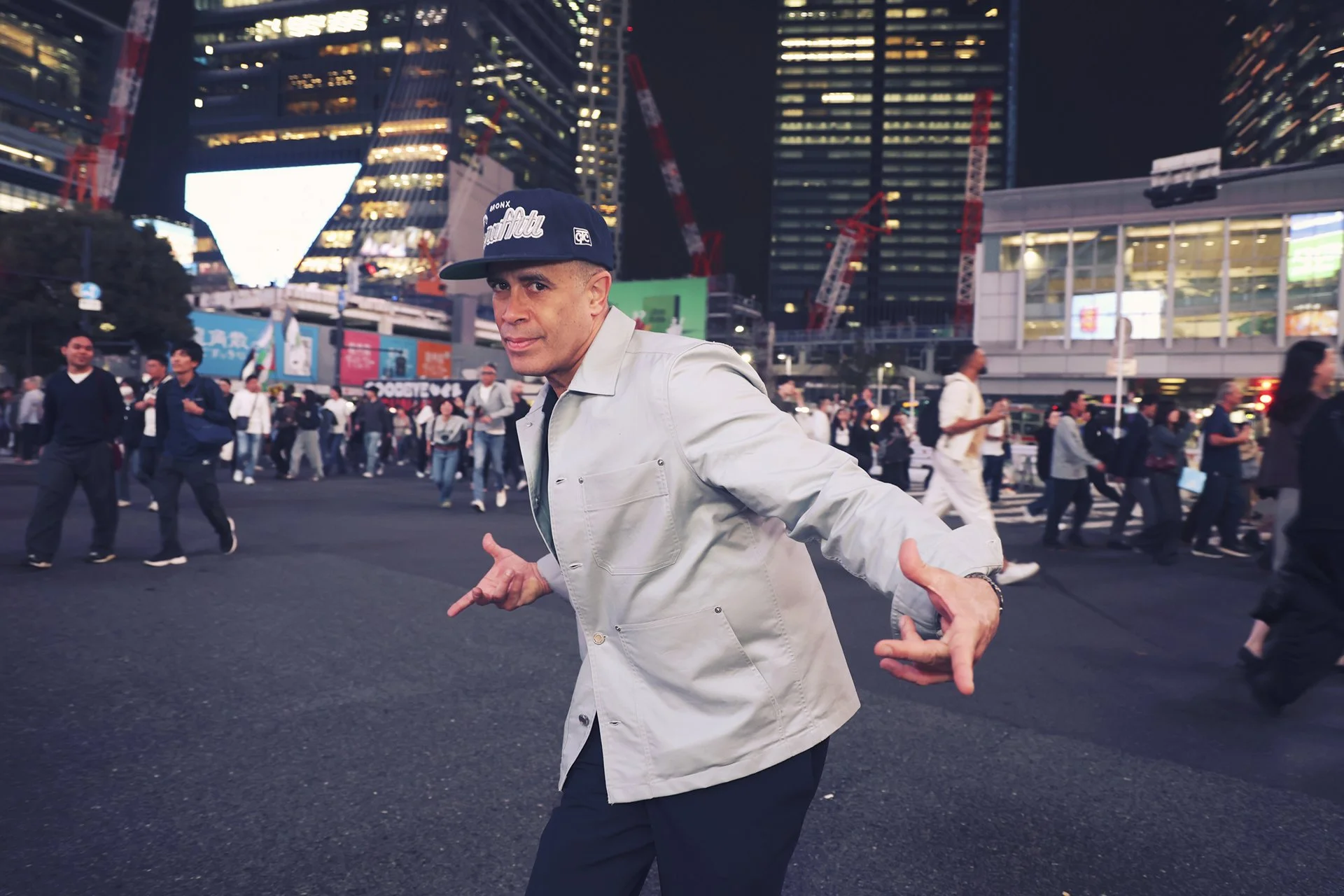
Preserving History for the Culture: Crazy Legs on the Vision Behind Rock Steady for Life
Text & Photo: Atsuko Tanaka
Hip-hop pioneer and Rock Steady Crew leader Crazy Legs returned to Japan with Rock Steady for Life, a book chronicling his personal journey and the history of the legendary crew. After taking up breaking at the age of ten, he went from the streets of the Bronx to stages around the world, playing a vital role in the evolution and growth of breaking. Having remained at the forefront of the culture for nearly five decades, Crazy Legs spoke with us about the rare, previously unpublished photographs featured in the book, memories of friends and fellow crew members, the present and future of Rock Steady Crew, and the power of hip-hop.
—Congratulations on the book. How long has it been since you were last in Japan? What changes have you noticed since your previous visit?
I think the last time I came was probably about ten years ago. There are so many more tourists now, especially Caucasian people. I was like, “What’s going on? Where are all my Japanese people?” I guess it’s probably good for the economy, though.
I’ve also noticed a lot more American brands and major global brands. Young Japanese women are still have great style, but now there are more stores selling things you can find anywhere in the world. Japan used to feel like a special place where you could discover things that weren’t available in other countries. It doesn’t feel quite as much like that anymore, which is a little sad.
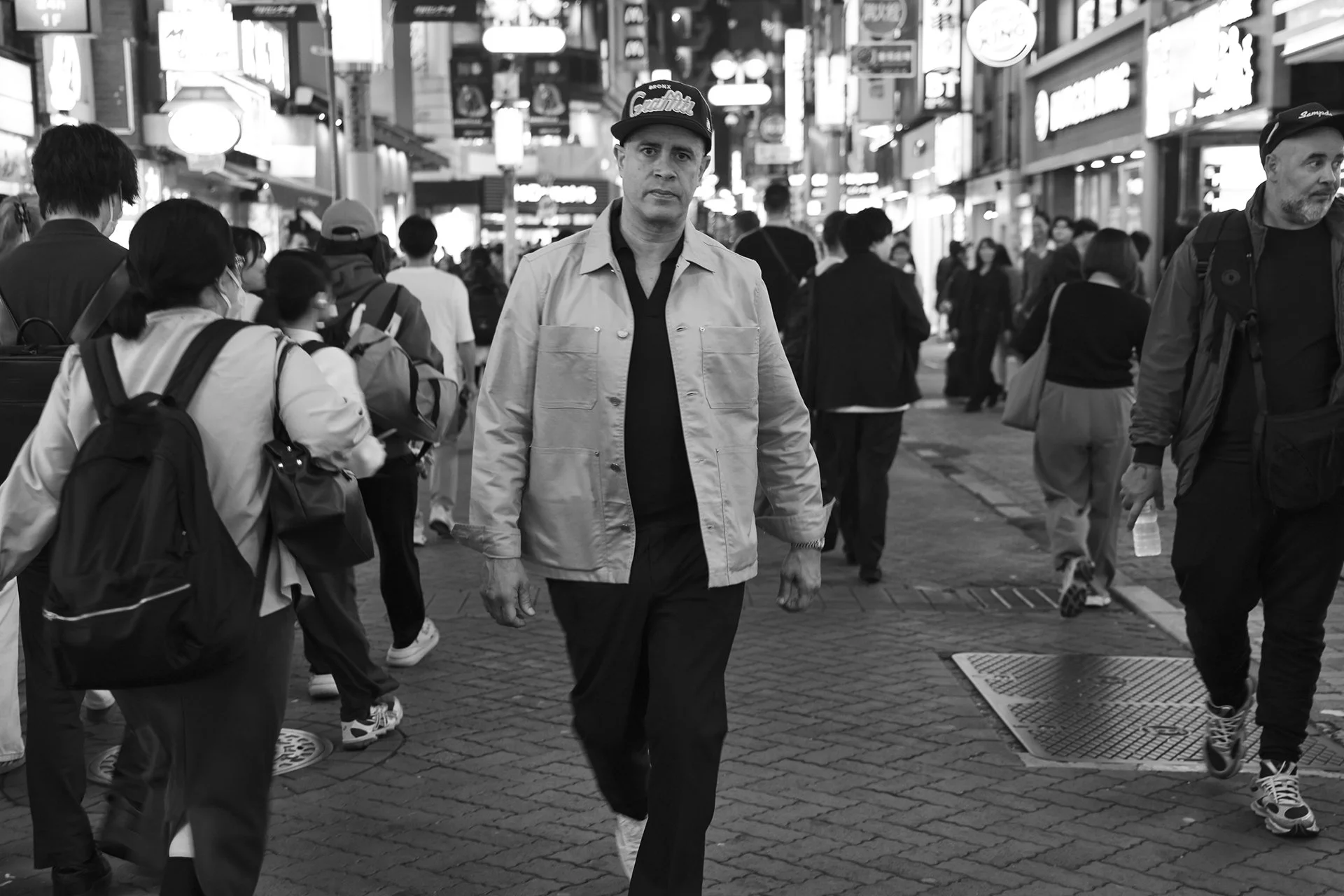
—I’d like to ask you about Rock Steady for Life. How did the book come about? Did you approach the publisher with the idea?
No, they approached me. Ian Luna, the book’s editor, contacted me about doing a book with Rizzoli, which is part of Penguin Random House. They had looked around the world and considered who they wanted to make a book with, and decided they wanted to do a book with me. They told me it would be the first book by a B-boy to be published by a major publisher, and I thought, “Oh, wow. Cool.”
They had also noticed that there weren’t many books addressing the influence of Latinos—Puerto Ricans, Dominicans, and Cubans who were part of the scene. Ian felt that it was important to bring those voices and stories into the world.
—When did they first approach you?
January 2025. According to them, it was the fastest they had ever brought a book to publication. I had already scanned and organized a lot of photographs for another project, but that project was canceled because of COVID. So much of the work had already been completed years before they contacted me.
For this book, I wanted to use as many previously unpublished photographs as possible. I started by selecting images from my own archive, and then I reached out to Henry Chalfant. He used to come to our events, sometimes helping to produce them while also taking photographs. Martha Cooper was often the main photographer, but Henry was shooting too, and he had a lot of unpublished photographs of Rock Steady.
The book also includes previously unpublished photographs connected to Flashdance. The images from our trip to Japan with the Wild Style tour are my own. If I’m not in the photograph, I took it. There was also a photographer named Elwood Hampton. He photographed us as a hobby but never became a professional photographer. Decades later, he contacted me and said, “I have these negatives that I’m never going to do anything with, and I’d like to give them to you.” They contained some amazing photographs that had never been published before.
—The book contains so many rare photographs.
There are pictures of us on tour, hanging out with Carol Burnett, and of Madonna and me dancing together. Henry took all of them, and none had ever been published before. I was a little nervous about the photograph with Madonna because I had to get her permission to use it. But she said, “Make sure he deals directly with us. We’re going to make this happen.”
—What was it like to look back on your life and the crew’s history and bring all those photographs and stories together in one book?
Most of the work, apart from the writing, had already been done. But looking back through the photographs was emotionally difficult. Many of my friends are no longer with us. As I wrote, memories would come back, and I would start crying because I miss them.
There were two things that were especially important to me while making the book. The first was including people who had been members of Rock Steady, even if they weren’t widely known. They might not have appeared on the records or in Beat Street, but that doesn’t change the fact that they were part of the crew. I wanted to show that part of the family too.
The second was not allowing personal feelings to rewrite history. Like any crew, there are people who no longer speak to one another. But if you made history together, that fact doesn’t disappear. I didn’t want to leave someone out of the photographs just because I don’t like them anymore or tell an incomplete story. This book is for the people and for the culture, so I had to put my personal feelings aside and tell the story properly. That said, it is still the story from my perspective. Everything in it comes from my own experiences—meeting Queen Elizabeth, encounters with Freddie Mercury of Queen, and things that happened in nightclubs.
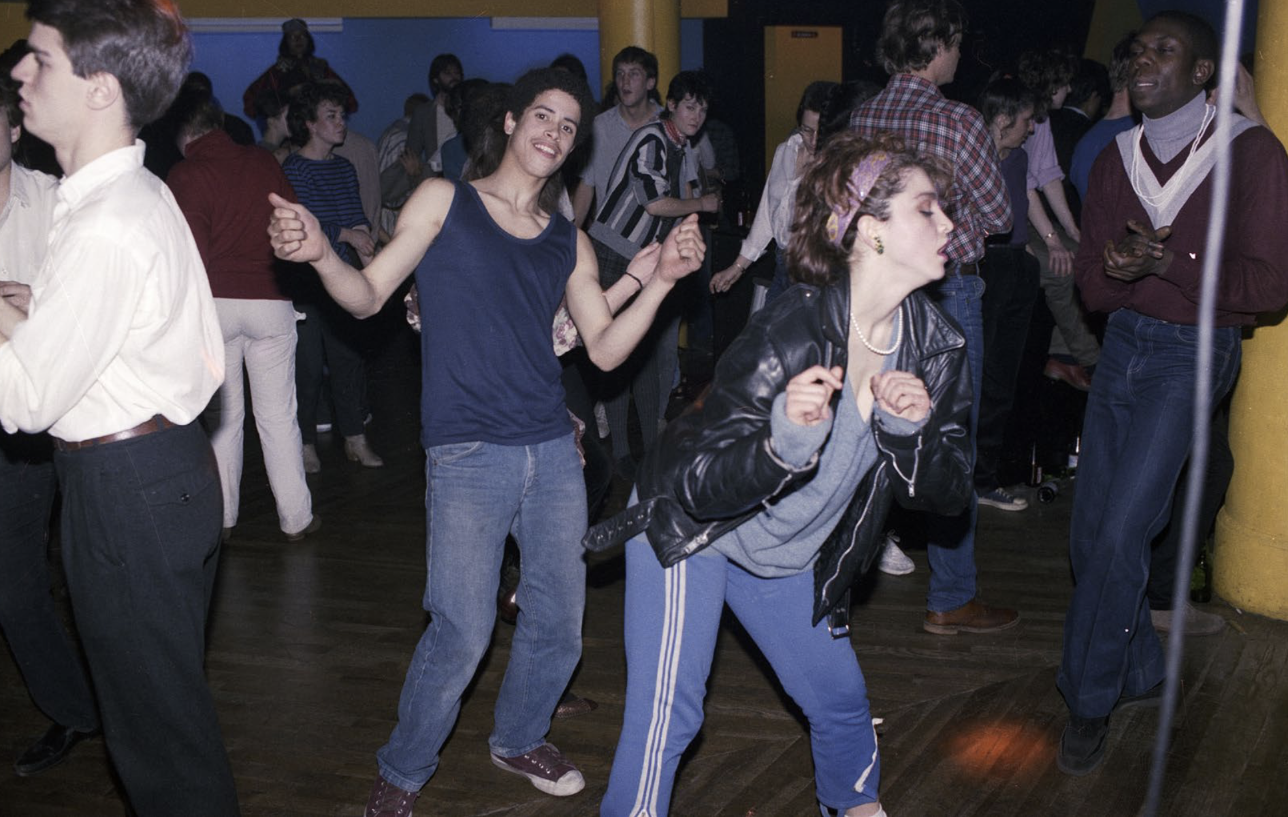
Crazy Legs dancing with Madonna © Crazy Legs
—I’d like to ask about your childhood. What kind of child were you, and what was life like growing up?
It was difficult. We were born into survival. My mother raised six children almost entirely on her own. We were poor, but we were talented.
In a way, not knowing that our situation wasn’t normal may have helped us. I accepted it as, “This is the environment I was born into. This is life.” I didn’t feel sorry for myself. I could still dream and enjoy each day.
I loved boxing and baseball, but both cost money, so I couldn’t always continue with them. I wasn’t very good in school either, although I did well when I really applied myself. Growing up with nothing and without mentors, discovering breaking changed my life. Becoming a B-boy made me feel like I had truly come alive for the first time. I was a very shy kid, but breaking allowed me to come out of my shell, at least when I was expressing myself through my art. I wanted to keep getting better, battle, and go to jams.
—You started breaking when you were ten, right?
Yeah. I started in 1977, and I think people had already been dancing for two or three years before that. But the early B-boys weren’t doing big moves yet. The dancing was simple, and they danced for short periods of time.
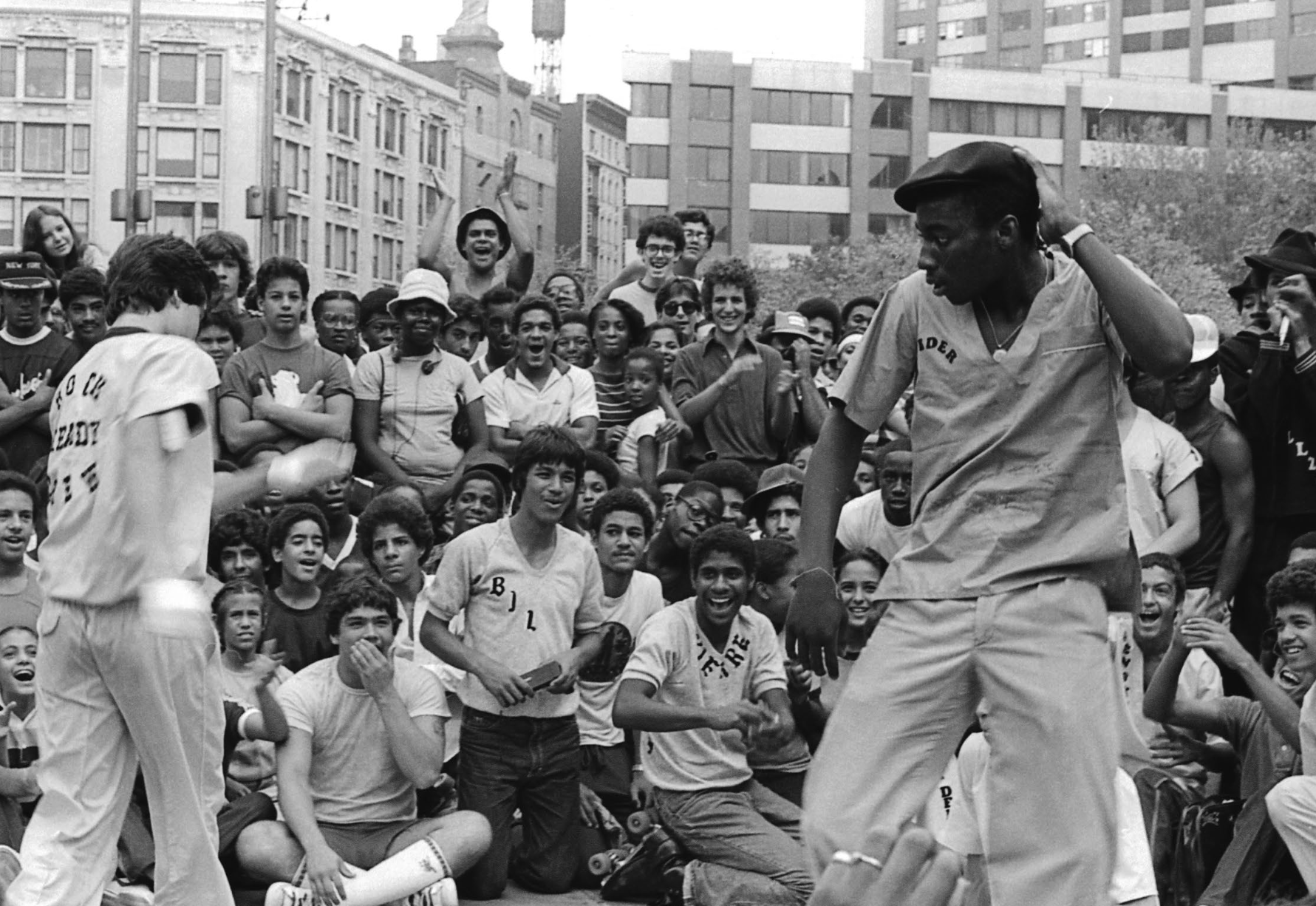
©︎ Crazy Legs
—Was it mainly based around steps?
Maybe it was more like imitating James Brown’s movements. There weren’t any headspins or backspins yet. We began creating new moves such as the backspin and the windmill, and that changed the dance. I also created the move where you spin upside down on one hand. I started evolving the dance.
Of course, there were already some amazing B-boys who were like superheroes to me. My favorite was B-boy Spy. But by around 1979, breaking was already dying. A lot of people stopped dancing after only six months to a year and a half.
—Why was that? Was it because breaking was difficult?
No. People were just having fun. It hadn’t fully developed into a defined dance yet. It was more like a natural response to the music. Within that, certain people practiced more than others and continued to evolve the dance. Everybody played their part.
In 1979, I moved from the Bronx to Manhattan. It became difficult to find people to practice and battle with, so I started traveling around the city looking for opponents. For example, if I heard, “There’s a guy named B-boy John-John who lives twenty blocks away, and he’s always outside his building with his radio,” I would go and find him.
“You B-boy John-John? You break? Then let’s battle.”
I would approach people like that and battle them right there. As I kept doing that, my name gradually became known. Some of the people I beat in battles later started hanging out with me. I started teaching them breaking, and that helped the dance start growing again.
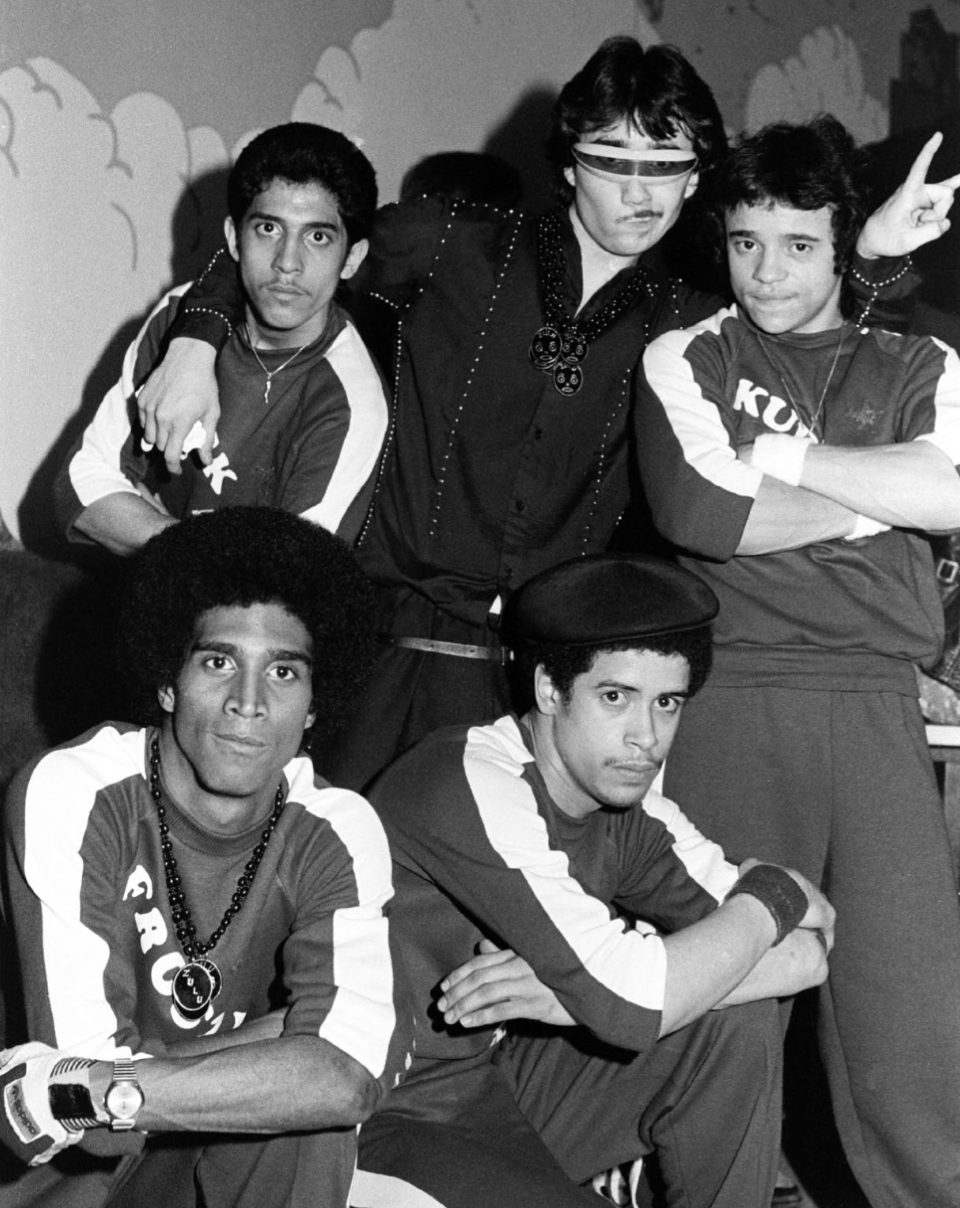
Rock Steady Crew ©︎ Crazy Legs
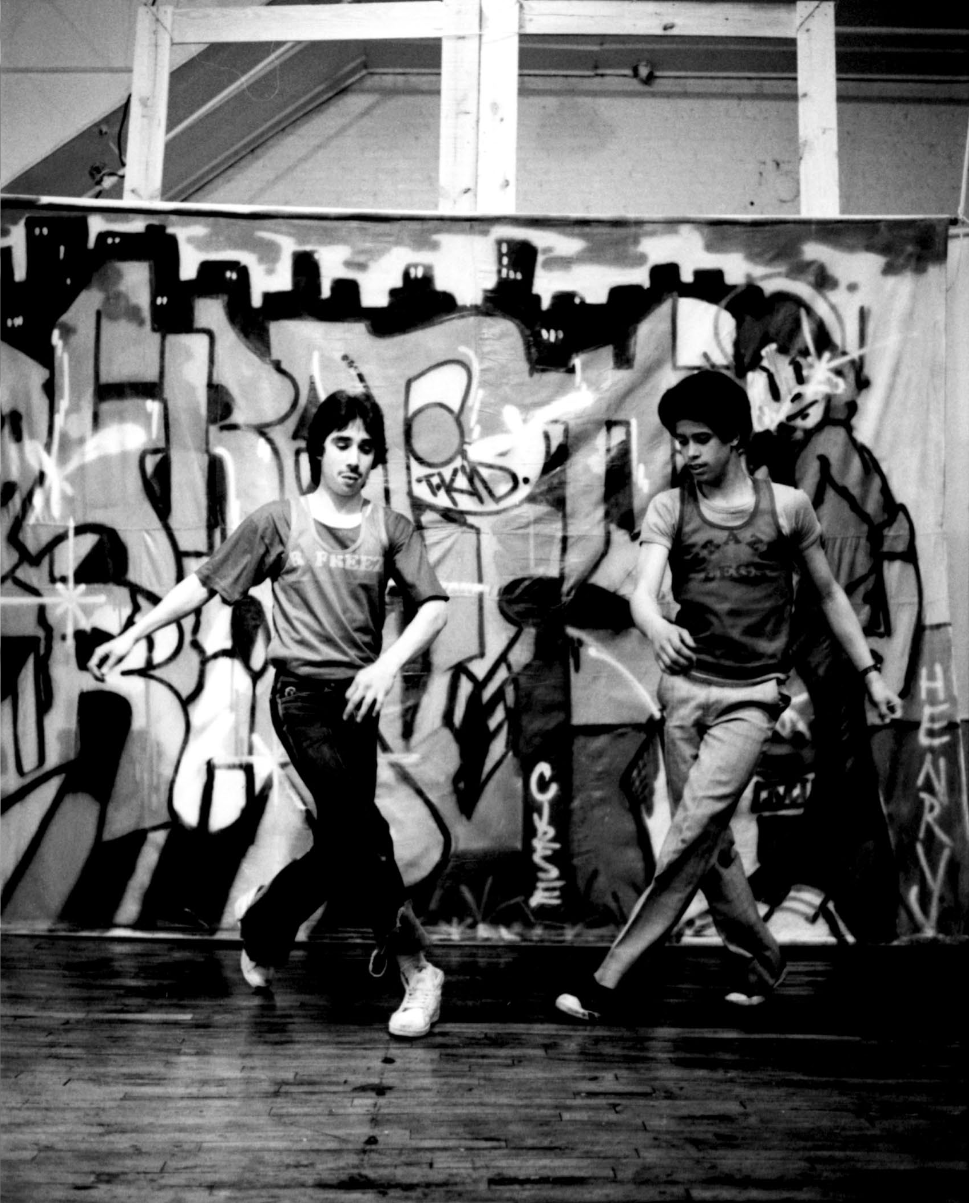
Rock Steady Crew ©︎ Crazy Legs
—As breaking started to become popular again, how did you see your own role in its comeback?
A lot of people give me credit for bringing breaking back, but I don’t really like saying that myself. How can you bring something back alone if you don’t have anyone to battle? You need competition. Even if you beat someone, you still need that person. Competition gets people talking and makes them want to practice harder.
Besides, I was only between ten and fourteen years old at the time. I just wanted to have fun and compete. I wasn’t thinking, “Let’s create a culture.” No kid thinks like that.
—So the goal was to win and become the best?
Yeah.
—When you became the leader of Rock Steady Crew, did you have a particular vision for what you wanted the crew to become?
Back then, it was all about performing and battling. I never thought about turning Rock Steady Crew into a company. As long as we were dancing, I intended for us to remain a crew. At the time, there were very few clear pathways for Black and Latino people in America to enter Broadway or the film industry and be taken seriously as actors. I didn’t want to become an actor anyway. For us, this wasn’t a job. It was simply our culture.
I don’t want to say that our success happened by accident. But as word spread, more and more people wanted to see us perform. One major turning point was a show called Graffiti Rock, which Frosty Freeze and I performed in. It was produced by Henry Chalfant and took place in SoHo before Michael Holman’s production of the same name.
The show featured Fab 5 Freddy, DJ Spy, Rammellzee, Rock Steady Crew, and T-KID, who painted the banner for the venue. Basquiat, Keith Haring, and Andy Warhol were in the audience. It was the first show to bring all the elements of hip-hop together, and the audience loved it. That was when we began receiving more offers to perform.
—You later appeared in films such as Wild Style, Style Wars, Flashdance, and Beat Street.
Yeah. We appeared in documentaries too. When we came to Japan with the Wild Style tour, we performed in front of NHK.
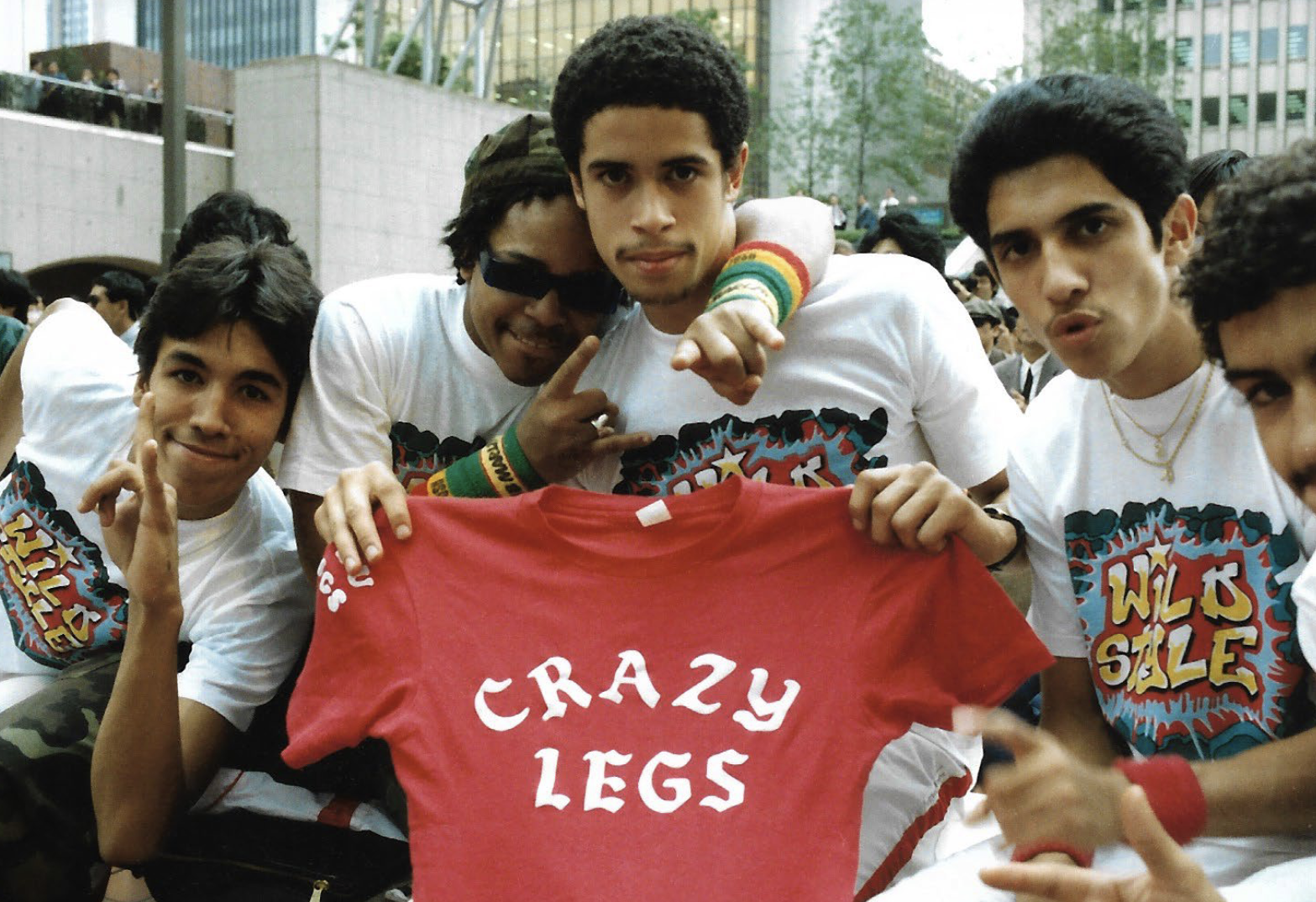
Crazy Legs and Rock Steady Crew during the Wild Style tour in Japan © Crazy Legs
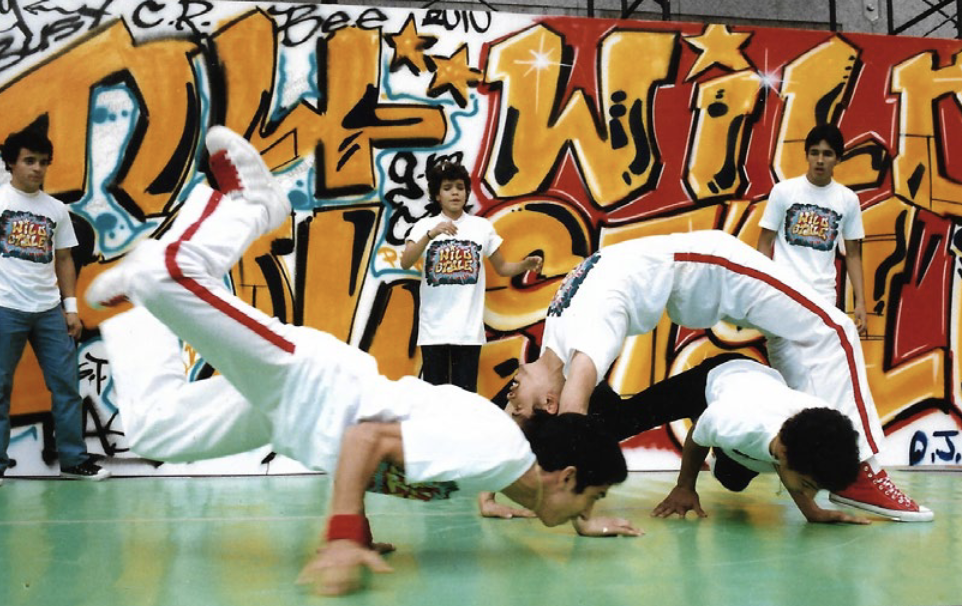
Rock Steady Crew performing in front of NHK during the Wild Style tour in Japan. © Crazy Legs
—What stands out in your memory from your first visit to Japan?
At the time, it felt like we had suddenly been thrown into something before we were prepared to understand the scale of it or appreciate what it meant. We weren’t pursuing careers, and we weren’t thinking about becoming entertainers. We were just kids from the streets. Sometimes I wonder what might have happened if we had possessed enough business sense to recognize that we could turn it into something much bigger.
I’m Puerto Rican. Puerto Ricans grow up dancing salsa, but that doesn’t mean they think about becoming professional salsa dancers. It’s simply part of the culture they live in. Hip-hop was the same for us. We didn’t recognize or understand the business possibilities within it. It was very innocent. But the Japanese audience who came to see us really loved our performance. Their response was amazing.
—You’ve also traveled to many different countries around the world.
Breaking has taken me all over the world. Of course, it took a lot of practice to get there, but I’ve gone through six passports. For someone who grew up in the kind of circumstances I did, being able to sit here now and say, “I’ve gone through six passports, and I’m still traveling,” means a lot. Many people work hard their entire lives and only begin traveling when they get older. I’ve been traveling the world since I was fifteen.
When I was fifteen, I went on a twelve-city tour. At the time, the only other people doing things like that were Kurtis Blow, the Sugarhill Gang, and Grandmaster Flash and the Furious Five. Almost nobody else was doing it.
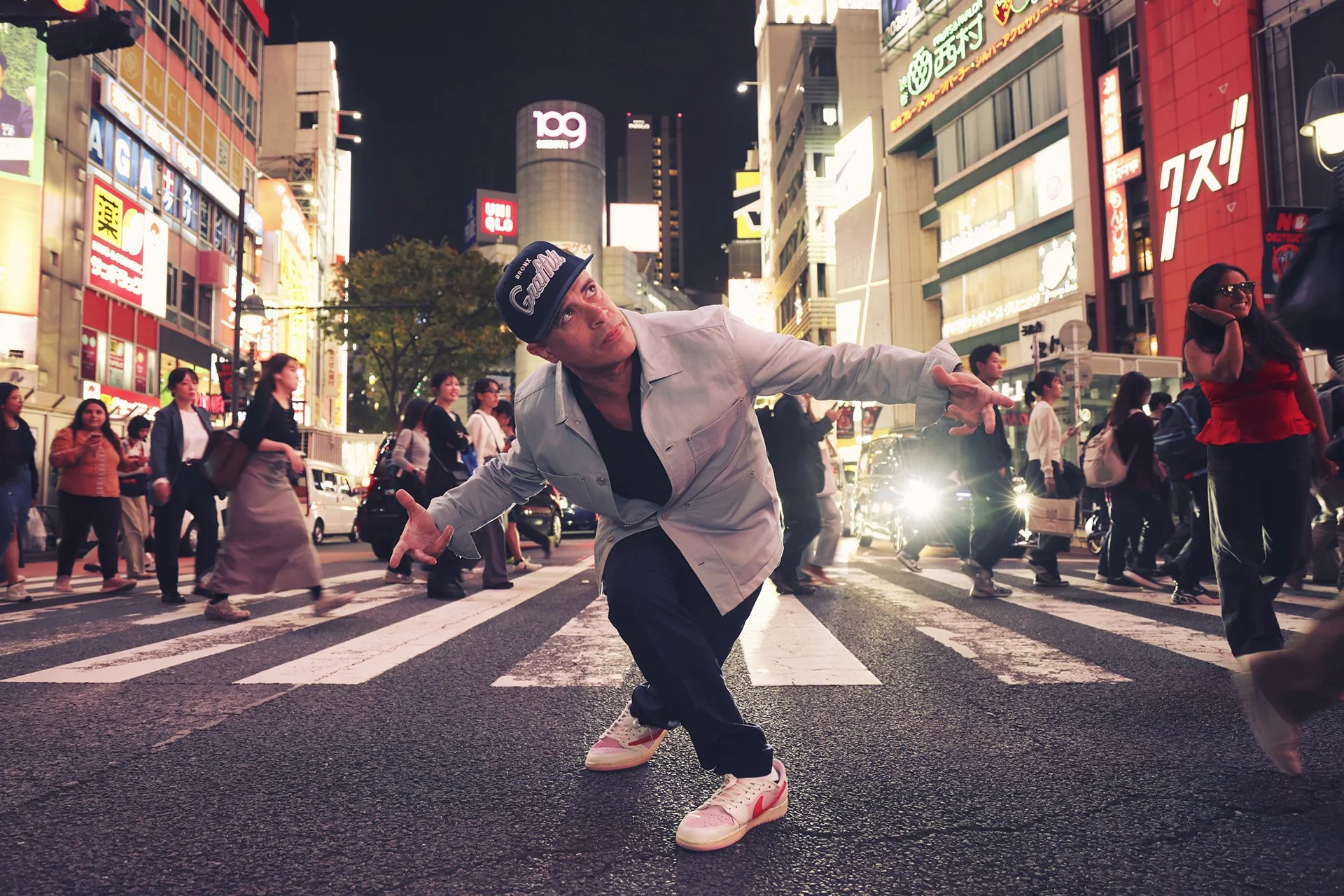
—That’s incredible. I often attended the Rock Steady Crew anniversary events during the 1990s and 2000s. Looking back, is there anything that particularly stands out to you?
The impact the anniversary had on others may have become even greater than the event itself. DJ Hooch who founded the UK B-Boy Championships, and Cros1told me that attending a Rock Steady anniversary inspired them to start their own events. The people who launched Rock the Bells had also attended our anniversary before creating their event.
We helped bring jams and park jams back to life. That encouraged underground hip-hop artists and B-boys to begin organizing events themselves. We created a platform that allowed people to recognize the value of the culture. The manager of M.O.P. once said in an interview, “Summer Jam is the event you have to do. Rock Steady is the event you want to do.” I think that shows that the Rock Steady anniversary was a genuine cultural event. We had corporate sponsors, but our approach was always organic.
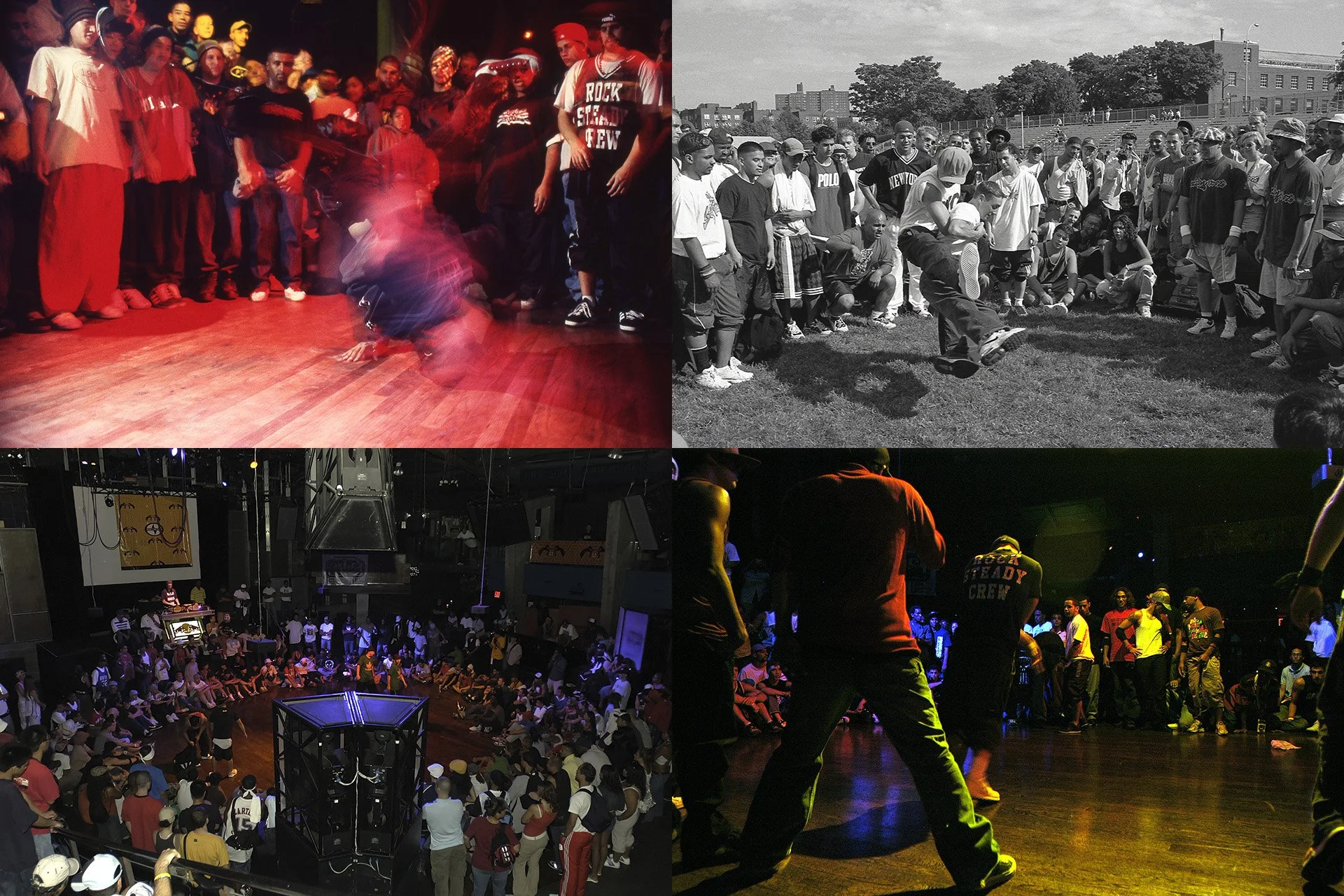
Rock Steady Crew anniversary events in the 1990s and 2000s Photo: Atsuko Tanaka
—Do you still hold the anniversary event every year?
No. It’s very difficult now to find sponsors and raise the money. In America today, companies have become cautious because supporting events for Black and Latino communities can be viewed as part of DEI—diversity, equity, and inclusion.
Donald Trump has made DEI sound like something negative, but all it really means is giving every qualified and capable person an equal opportunity. Even so, some companies are afraid that supporting Black and Latino communities could cause them to lose subsidies or tax benefits.
For now, we’re waiting until we can resume the work we want to do. Next year is our 50th anniversary. If we get the right sponsor, I’ll hold the event.
—Keeping Rock Steady Crew going for fifty years is an incredible achievement.
But keeping it going has been really hard. You go through many members, and it’s a lot to deal with. We currently have about twenty-five to thirty members. I don’t want it to be a huge crew anymore. I would rather have my close friends. That’s what matters.
I don’t dance anymore. I had a full knee replacement in February. Even before that, I had suffered a lot of injuries and undergone many surgeries, so my desire to keep dancing had gradually faded. But I don’t regret stopping. I spent most of my life dancing all over the world, so now I’m okay with not doing it anymore.
B-boys and B-girls need to understand that we’re damaging our bodies. You have to take care of yourself. Many people are going to need knee surgery as they get older, and it’s extremely difficult. I had to learn how to walk all over again.
—Despite all those difficulties, what has kept you committed to Rock Steady Crew for so many years?
At this point, I think I’m more committed to the name than the idea of a crew because the name is now a brand. The question is how to maintain that brand. You have to do business, and if that business supports good culture, perfect. But it has always been about the culture. Rock Steady wasn’t only about bringing in B-boys and B-girls. We welcomed people who loved hip-hop. That was what mattered.
—What is the most important lesson you have learned from breaking?
Stretching is important! I don’t think breaking itself teaches you anything. You figure things out through it. You learn about your body and what you’re capable of doing. You challenge yourself and remove limitations. I couldn’t spin on my back, and then one day it happened. Suddenly, that limitation no longer existed.
I’m not the type of person who says, “Hip-hop saved my life.” If you don’t practice, how is hip-hop supposed to save you? You have to make the choice to practice and create something yourself. If you don’t make that choice, hip-hop isn’t going to do anything for you. I think people should give themselves more credit for the decisions they make and for choosing to take action. It’s always a choice.
—Thank you for sharing such an important lesson. What advice would you give to young B-boys and B-girls?
Love the music first and learn your foundations. As you get older, your body may not move the way it used to, and you may no longer be able to do the big moves. But if you’ve learned how to dance, you can always keep dancing. Even if you can no longer break or do power moves, that doesn’t mean you can no longer dance.
—What advice would you give to young B-boys and B-girls who want to reach the top?
What is “the top”? What’s there? I don’t know what the top is either. I’m in a unique position because of what I’ve done, the decisions I’ve made as a B-boy and a leader, and the fact that I started so young. I’m considered a pioneer, so there will probably continue to be work and opportunities connected to that.
But life isn’t one long episode of Beat Street. Finish school and get an education. Dance is physical. Just as athletes get injured, dancers get injured too. Sometimes those injuries can end a career. The element of hip-hop we practice sometimes decides when it’s over for you. You don’t always get to make that decision yourself.
What breaking taught me is that I can’t do it forever if my body won’t allow it. I’ve had eight surgeries because of dance. This year, I finally reached the point where I thought, “I’m tired of going to hospitals because of dance. I don’t want to keep doing this, and I can’t keep doing it anymore.”
—That must have been an incredibly difficult experience. What dreams or goals would you still like to pursue?
My main goal is to continue raising the money needed to complete my documentary. We’ve been working on it for years.
—One final question: What does hip-hop mean to you?
Hip-hop is an outlet for your emotions and energy. It’s a tool and an opportunity for self-expression, and sometimes it gives you a way to escape from everyday life. It’s also a way to build community and connect with people you never imagined you would meet. Hip-hop is one of the greatest bridges between different cultures ever created.
You can become friends with someone simply by asking, “How did you do that move?” A friendship can grow from that one question. We should always remember what hip-hop can do for us and for society.
ROCK STEADY FOR LIFE
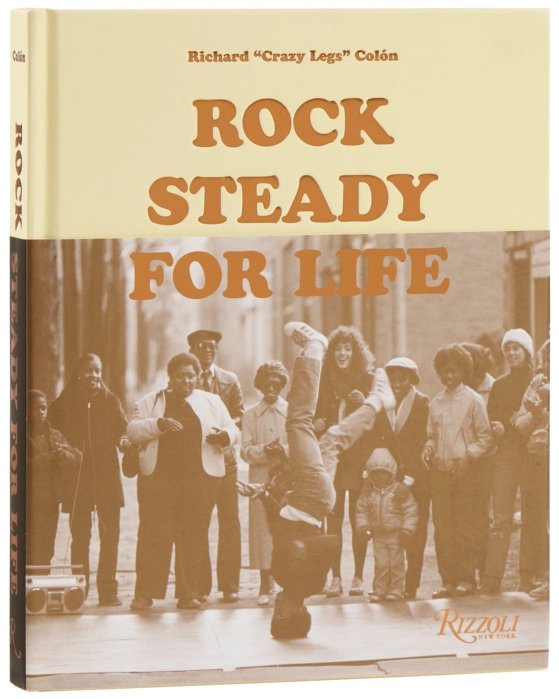
Publisher: Rizzoli International Publications
Publication Date: September 22, 2026
Binding: Hardcover, Hardback
Pages: 256